
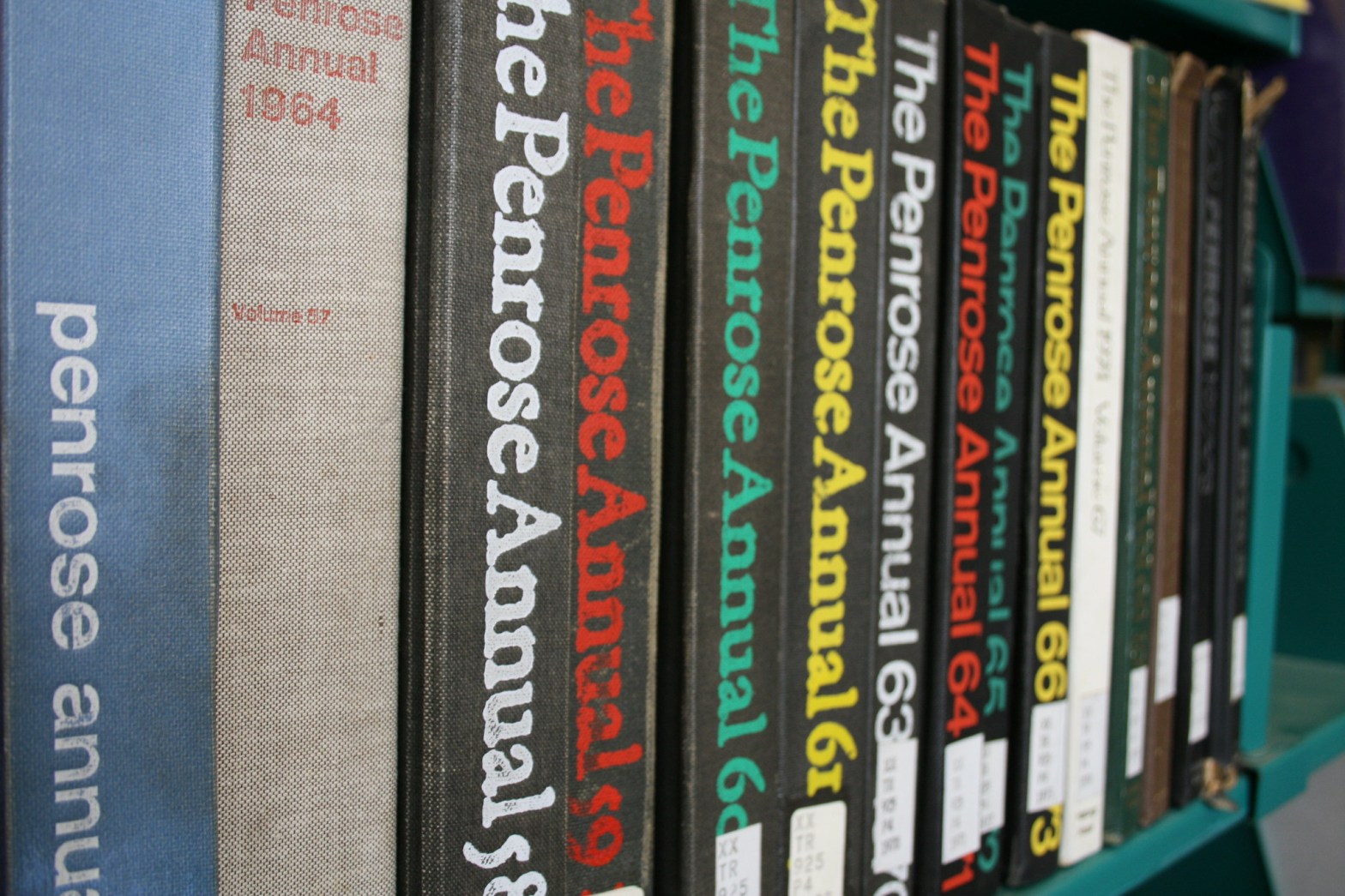
The Process Year Work Book, was the initial title of the 1895 Penrose Annual — a series of books that document the state-of-the-art of printing; reflect the tastes of the day; and provide a showcase for the best printers and famous-name suppliers. The first Penrose I read was daunting — was I really expected to understand and have a view on the obscure electronic transfer of images that allowed newspapers to print photos from far-flung places as well as the way Continental books were superior to our own offerings? In the end I took it as a personal challenge to understand more of printing by devouring these annuals.
Beginnings: 1895
William Gamble of Scarborough was originally a journalist working for a country newspaper (probably in Ipswich) in 1877. He saw that photography and rich illustration were the future and set up an in-house plant to work with photography for the newspaper. Gamble moved to London in 1886, initially as a journalist but then specialising in making and selling illustrated printing blocks to smaller local newspapers. Gamble met A. W. Penrose — a pharmaceutical chemist of Clerkenwell — with whom he discussed the difficulty in making this a successful venture.
In 1893 Gamble and Penrose established Penrose & Co. in Upper Baker Street, London, although the official history of the Penrose Annual suggests this might have also been called Photo Process Stores.
From 1893 Gamble — making use of his journalist past — started issuing a news sheet called Process Work to keep his customers up-to-date with ‘the latest novelties and developments in process work’.
Process Work is a term to describe printing blocks made by mechanical means. You’ll know traditional printing surfaces had been cast in lead (like type) or cut from wood (like woodletter or Bewick’s cuts). This ‘process’ work could include duplicates of wood engravings made using electrolysis, and other ways of getting images to print with the letterpress process.
That monthly sheet became annual, and so the 1895 issue of a year book The Process Work Year Book included 113 pages of Penrose & Company’s catalogue in addition to the examples of what was now possible with process work. That first edition was printed by Lund, Humphries of Bradford.
It was the following year that the Annual took a sub-title of Penrose’s Annual, and that is how this magnificent thread of printing life was established.
Editors and Owners
The Annual was edited by William Gamble from 1895 until 1933 — the year of Gamble’s death. The Annual was published by A. W. Penrose & Co., Gamble’s firm.
In 1909, Lund Humphries bought the publication, and became both publisher and printer.
It was Richard Bertram Fishenden (styled R. B. Fishenden in the Annual) at the helm from 1934 to 1957. Fishenden’s friend, Alan Delafons edited between 1958 and 1962.
After a short gap in issue, Herbert Spencer was editor between 1964 and 1973. The title was sold in 1973 to Northwood Publications.
Bryan Smith took over for two issues from 1974, the final editor being Clive Goodacre.
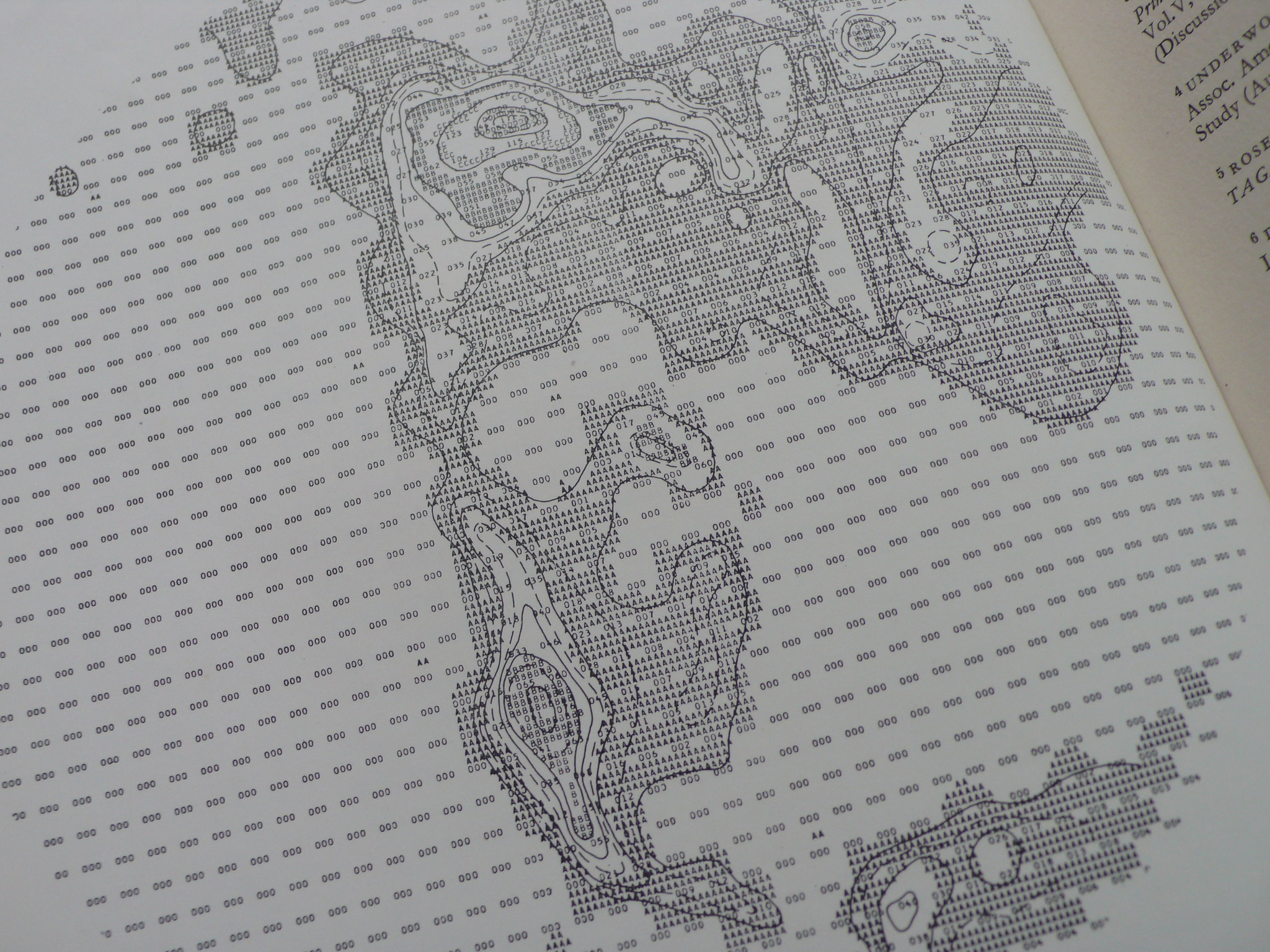

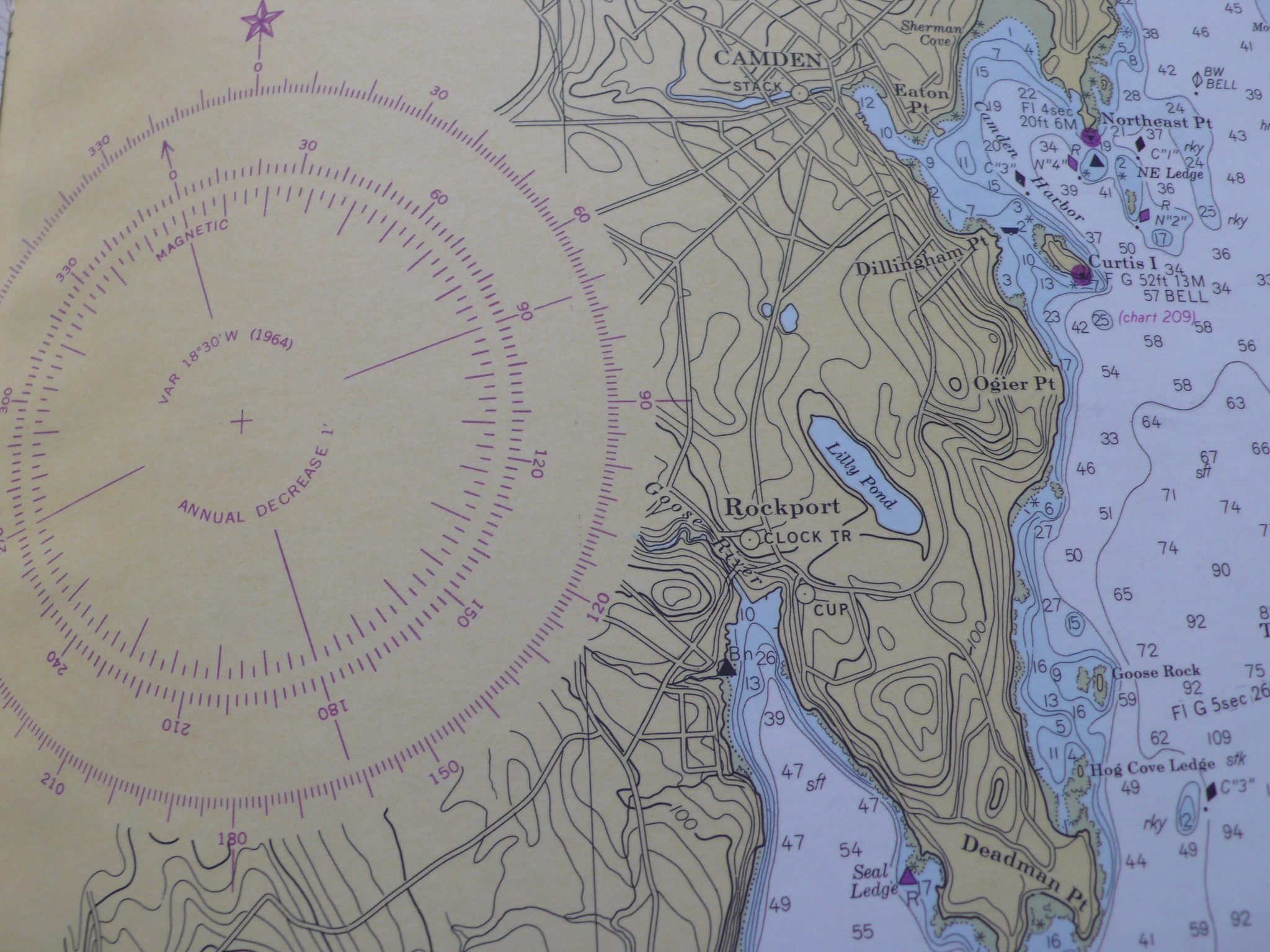
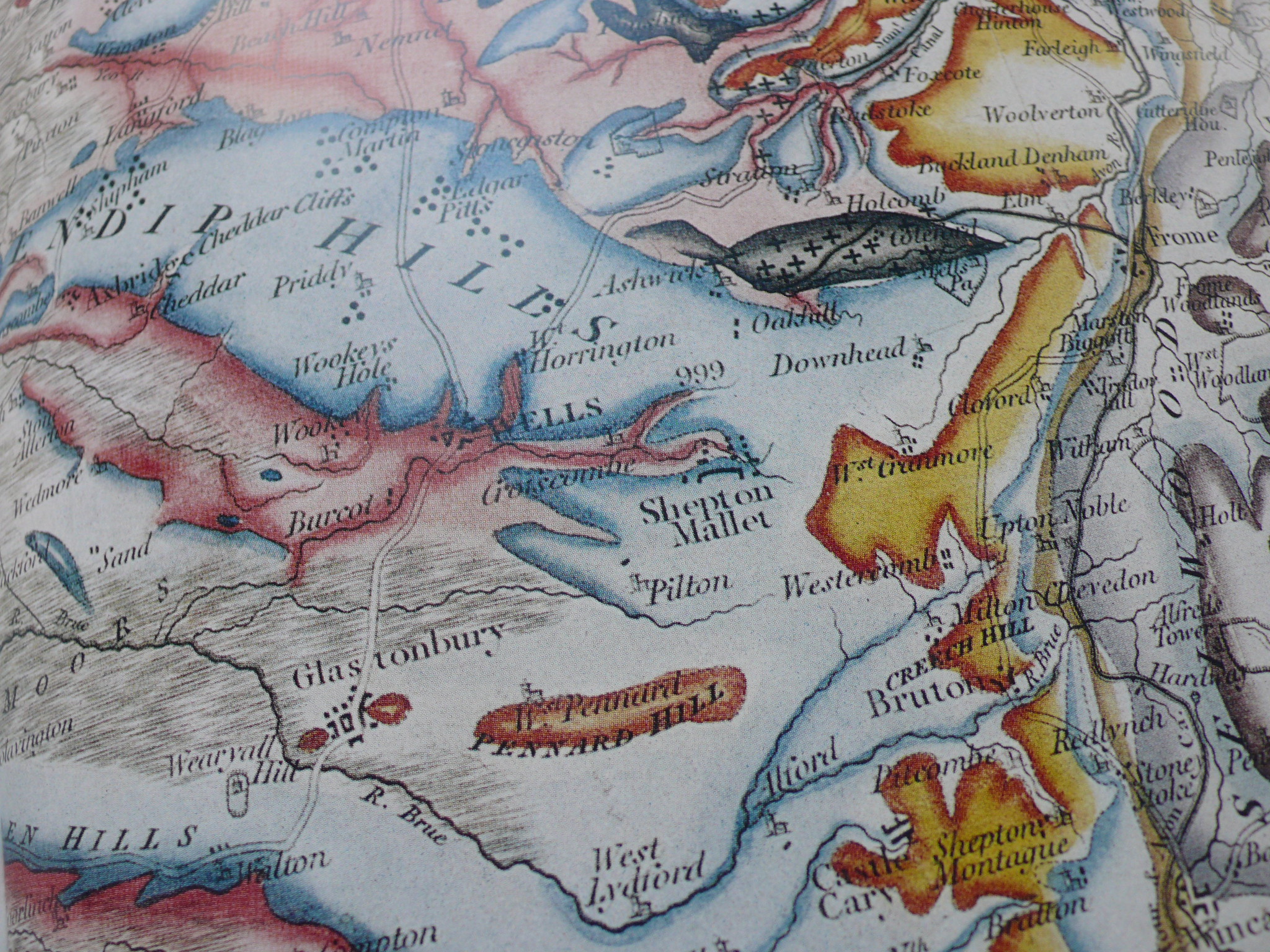
Above — gallery of studies of Penrose Annual pages, from this Flickr stream shared by Russell Davies under a CC Licence
Impact
For many, the Penrose Annual bridged the gap between those pushing the technical boundaries of printing, and those devoted to the art of the book and written word. In the mammoth issues of the 1950s and 1960s each has a multitude of processes — gravure, letterpress, litho — on different media — cellophane, newsprint, board and paper — to show off what was possible. Technical articles of the time include coverage of photopolymer (1955) and the ability to transfer photos through scanning and data transfer between a photographer in the field and newspaper office.
In the early days, printing the Annual had encouraged Lund Humpries to install some of the first UK Monotype equipment in 1904.
As an aside, Lund Humpries was a printer of some distinction, and had, for example, installed Arabic and Chinese types in the 1930s. A 1974 article on the firm stated ‘the Chinese room includes over 50,000 matrices carefully
stored in a fireproof safe’. Lund Humphries closed in 1994.
Decline
The end for the Penrose Annual was gradual. There were breaks in production and the Annual became slimmer each year. The fact that colour reproduction was becoming the norm meant there was no longer the need to print 10,000 copies — great examples of ‘process work’ were now commonplace. In addition the mammoth cost of assembling this wide variety of processes, sizes and materials in to one volume meant losses could no longer be sustained and the final volume — Volume 74 — was issued in 1982.
Year and Era
1895/ Mass Production
Object Type
Publication
Location
Drummond Road, Bradford, as the home of the Country Press of Lund Humphries — printer of the Annual from 1895 to at least 1978.
Sources and More Information
- Moran, James (Editor), Printing in the 20th Century — a Penrose Anthology
- Eye Magazine, By Printers, for Printers
An Appeal
If you have something linked to this object, please get in touch.
Header Image: “Penrose. Annual.” flickr photo by Robert E. Kennedy Library at Cal Poly https://flickr.com/photos/kennedylibrary/4645557901 shared under a Creative Commons (BY-NC) license
 British Letterpress in 100 Objects